Scam and Phishing Awareness
The Reflexology Association of Canada (RAC)
is committed to helping members stay informed and practice safely.
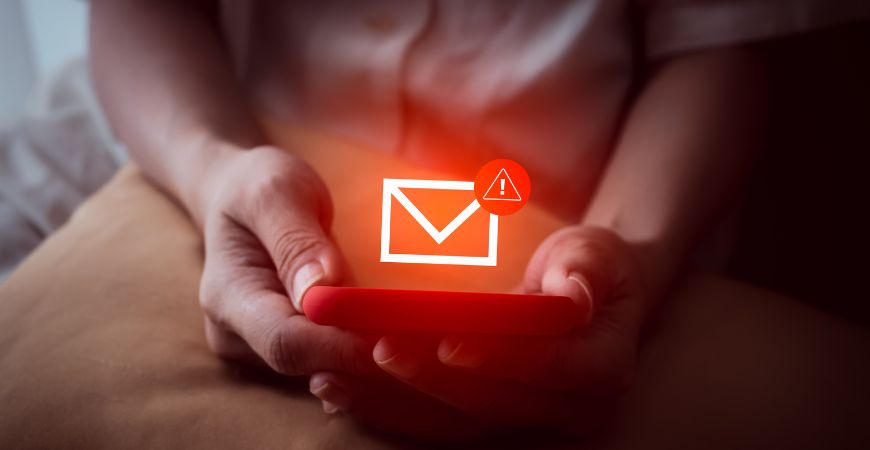
From time to time, members may receive unsolicited emails, phone calls, text messages, social media messages, or online inquiries offering new clients, business opportunities, directory listings, advertising, education, or other services. While many of these communications are legitimate, others may be phishing attempts or scams designed to obtain personal, financial, or business information.

Protect Yourself
Before responding to an unexpected message, consider the following:
-
-
- ✅ Be cautious of unsolicited emails or messages that ask you to click links, open attachments, or provide personal or financial information.
- ✅ Verify the identity of the sender by visiting the organization’s official website or contacting them directly using publicly available contact information.
- ✅ Be wary of messages that create a sense of urgency or pressure you to act immediately.
- ✅ Avoid sharing passwords, banking information, login credentials, or other sensitive information by email.
- ✅ Research unfamiliar companies or offers before engaging. Searching for reviews or complaints may help identify potential concerns.
- ✅ Keep your computer, mobile devices, browsers, and security software up to date.
-
Reporting a Scam
✅ If you believe you have received a phishing email or encountered a scam, we encourage you to report it to the Canadian Anti-Fraud Centre, Canada’s national reporting centre for fraud and cybercrime.
Canadian Anti-Fraud Centre
https://antifraudcentre-centreantifraude.ca
If you believe your personal or financial information has been compromised, contact your financial institution, change any affected passwords immediately, and follow the guidance provided by the Canadian Anti-Fraud Centre.